Popular styles of upvc doors on the market are a diverse range of options, catering to various aesthetics and needs. From the classic elegance of French doors to the modern functionality of patio doors, choosing the right style involves careful consideration of factors like security, energy efficiency, and budget. This comprehensive guide dives deep into the top styles currently trending, highlighting their unique characteristics and helping you make an informed decision.
Understanding the different types of UPVC door frames (flush or rebated) and styles (French, patio, stable) is key to selecting the perfect fit for your home. We’ll explore the features, benefits, and potential drawbacks of each, offering insights into their aesthetic appeal and practical applications. The market offers a plethora of choices, and this guide empowers you to navigate the options with confidence.
Overview of UPVC Doors
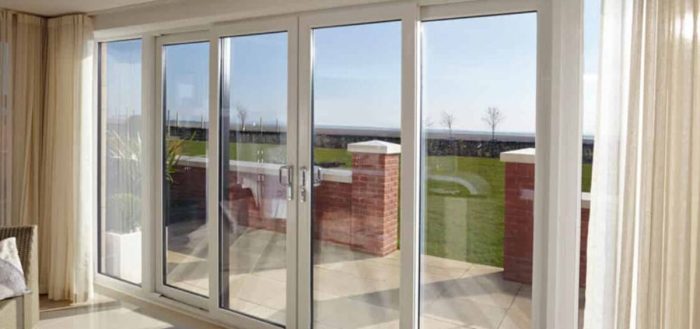
UPVC doors, or more accurately, uPVC (unplasticized polyvinyl chloride) doors, are a popular choice for homeowners seeking durability, energy efficiency, and aesthetic appeal. They offer a compelling blend of practicality and style, making them a common feature in modern residences. These doors are known for their resistance to weather conditions, reducing the need for frequent maintenance.The robust construction of UPVC doors results in a low maintenance option for homeowners.
This material’s inherent properties minimize the risk of warping, denting, or rotting, ensuring long-term performance and value for investment. Their versatility allows for a wide range of styles and designs, integrating seamlessly into various architectural aesthetics.
UPVC Door Frames
Different frame styles offer varying aesthetic and functional attributes. Flush frames are characterized by a smooth, seamless surface, offering a clean and contemporary look. Rebated frames, on the other hand, feature a recessed area around the door panel, providing a more traditional or classic appearance. The choice between flush and rebated frames often depends on personal preference and the overall design of the property.
UPVC Door Styles
A diverse array of UPVC door styles caters to a multitude of design preferences and functional requirements. French doors, renowned for their expansive views, typically consist of two or more panels that open outwards, promoting a seamless transition between indoor and outdoor spaces. Patio doors, another common option, are often larger than standard doors, creating a significant opening for better natural light and ventilation.
Stable doors, with their traditional design, are characterized by a series of panels that slide along a track, providing a versatile alternative to hinged doors.
Comparison of UPVC Door Styles
| Door Style | Strengths | Weaknesses |
|---|---|---|
| French Doors | Maximize natural light and views, create an expansive feel. | Can be susceptible to security issues if not properly reinforced. Require more space than other styles. |
| Patio Doors | Offer significant access to outdoor spaces, ideal for balconies and gardens. Often larger and more versatile than traditional doors. | Can be more expensive than standard doors. May be less secure than stable doors. |
| Stable Doors | Provide a unique aesthetic, often a sliding motion, and are relatively secure. | May not be suitable for every architectural style. Sliding action can be affected by weather conditions, requiring periodic maintenance. |
Popular Styles on the Market
UPVC doors have become a popular choice for homeowners due to their durability, energy efficiency, and affordability. Understanding the diverse styles available allows homeowners to select a door that complements their aesthetic preferences and functional needs. Different styles cater to various architectural designs, from modern minimalism to traditional elegance.Choosing the right UPVC door style involves considering factors like the overall house design, desired aesthetic, and budget.
Each style offers unique characteristics, influencing the overall look and feel of the home’s exterior. This section will explore the top five most popular UPVC door styles, providing detailed descriptions, visual representations (without image links), price ranges, and typical sizes.
Top 5 Popular UPVC Door Styles
The market offers a variety of UPVC door styles, each with its own strengths. The five most sought-after styles often include features like enhanced security, improved energy efficiency, and a wide range of customization options. These styles are frequently chosen for their ability to seamlessly blend with different architectural designs.
- Traditional Style: This style often features classic lines, detailed moldings, and traditional door hardware. Visual representation: Imagine a door with intricate paneling, perhaps with a raised or recessed design. The aesthetic is characterized by a timeless and elegant appeal, often mimicking the look of wooden doors. The price range is typically mid-range, depending on the complexity of the design and materials used.
Factors influencing price include the amount of detailing, type of glass used, and the quality of hardware.
- Contemporary Style: This style is characterized by clean lines, minimalist designs, and a focus on simplicity. Visual representation: Picture a door with flat panels, smooth surfaces, and minimal hardware. The aesthetic is modern and sleek, suitable for homes with contemporary architecture. The price range for contemporary doors can vary, with a slight tendency towards the higher end for doors with high-quality glass or specialized hardware.
The quality of the materials and design features play a crucial role in price variations.
- Modern Style: Modern doors are characterized by their simplicity and sleekness, often featuring large panes of glass. Visual representation: Imagine a door with minimal detailing, a focus on smooth surfaces, and a clean, uncluttered appearance. The aesthetic is modern and minimalist, often used in contemporary homes. The price point often aligns with the contemporary style, influenced by the material quality and the integration of advanced technologies.
Factors affecting the price include the level of customization and the incorporation of smart features.
- French Style: This style features multiple vertical or horizontal panes of glass, creating a sense of openness and light. Visual representation: Picture a door with large glass panels, often with multiple sections. The aesthetic is airy and inviting, ideal for homes with ample outdoor space. Price ranges for French style doors tend to be higher due to the use of high-quality glass and the intricate design process.
Factors influencing price include the amount of glass, the size of the panels, and the quality of the framing.
- Sliding Style: This style is characterized by a sliding door mechanism, offering space-saving solutions for narrow entryways. Visual representation: Picture a door that slides horizontally along a track, creating a seamless transition between indoor and outdoor spaces. The aesthetic can vary based on the chosen materials and design. The price range for sliding doors can differ depending on the materials used, the size of the door, and the complexity of the track system.
Factors influencing price include the type of track system, the material used for the sliding panels, and the level of customization.
Typical Sizes and Dimensions
Understanding the typical sizes of UPVC doors is crucial for accurate planning and installation.
| Door Style | Typical Width (mm) | Typical Height (mm) |
|---|---|---|
| Traditional | 800-1200 | 2000-2200 |
| Contemporary | 900-1500 | 2000-2400 |
| Modern | 900-1600 | 2100-2500 |
| French | 1000-1800 | 2000-2400 |
| Sliding | 1200-2000 | 2000-2500 |
Material and Color Options
UPVC doors offer a compelling blend of affordability, durability, and aesthetic versatility. Understanding the materials and available color options is crucial for making an informed decision. Choosing the right color can significantly enhance the curb appeal of your home, while selecting the right materials ensures longevity and performance.Modern UPVC door construction relies heavily on a composite material, not a single monolithic substance.
This composition ensures a balance of strength, weather resistance, and energy efficiency. The blend of materials contributes to the doors’ longevity and resistance to warping, cracking, or fading.
Common Materials in UPVC Door Construction
UPVC doors are primarily constructed from a composite of polyvinyl chloride (PVC) and other reinforcing agents. This material is known for its exceptional resistance to moisture, rot, and insects, ensuring long-term performance and durability. Often, fiberglass or wood reinforcement is added to enhance the structural integrity and overall strength of the door, increasing its resistance to impact. The exact mix of materials and their proportions can vary between manufacturers, influencing the door’s specific properties.
From classic to contemporary, UPVC door styles are booming. Knowing the right measurements for your space is key before committing to a new design, like figuring out how to measure walls for deco wall murals. Proper wall measurements are critical for a perfect fit, ensuring your chosen UPVC door looks stunning and fits seamlessly into your home’s design.
Different styles offer varying aesthetics, but accurate dimensions are paramount. So, get ready to explore the exciting world of UPVC doors and make the right choices for your home! how to measure walls for deco wall murals Ultimately, understanding these details will ensure you select the perfect UPVC door.
Popular Color Options for UPVC Doors
A wide array of colors is available for UPVC doors, allowing homeowners to perfectly match their doors to their home’s exterior design. These colors range from classic neutrals to vibrant hues, providing a diverse palette to choose from. The ability to customize the color adds significant value, allowing for personal expression.
From classic French doors to modern sliding panels, popular UPVC door styles offer a wide range of aesthetic options. However, consider eco-friendly options for wood panel PVC materials, like those found in eco-friendly options for wood panel PVC materials , which balance style with sustainability. Ultimately, the best choice depends on your budget and personal preference, but there’s a fantastic variety of UPVC doors to choose from, perfect for any home.
- Neutral colors, such as white, beige, and gray, remain popular choices for their versatility and ability to blend seamlessly with various architectural styles. These colors are often chosen for their timeless appeal and ability to enhance the overall visual harmony of a home.
- Bold and vibrant colors, including blues, greens, reds, and yellows, offer homeowners a chance to make a statement and add a pop of personality to their home’s exterior. These options are ideal for those seeking to create a unique and eye-catching aesthetic.
- Woodgrain finishes are another popular choice, mimicking the look and feel of natural wood doors without the maintenance or vulnerability to weather damage. This option provides a classic aesthetic with the modern benefits of UPVC.
Impact of Color Choices on Aesthetic Appeal
The color of a UPVC door significantly influences the overall aesthetic appeal of a home’s exterior. A well-chosen color can enhance the visual harmony of the house, while a poorly chosen one can detract from the overall design. Factors such as the home’s architectural style, the surrounding landscaping, and the colors of the other exterior elements should be considered when making a color selection.
Color Comparison Table for Different UPVC Door Styles, Popular styles of upvc doors on the market
This table offers a comparative overview of different color options with various UPVC door styles.
| Door Style | Color Options | Aesthetic Considerations |
|---|---|---|
| Contemporary | White, Gray, Black, Dark Blues, Bold Colors | Contemporary styles often favor bold colors and modern neutrals to complement sleek designs. |
| Traditional | White, Beige, Light Gray, Woodgrain Finishes | Traditional styles typically pair well with classic neutral colors and woodgrain options to maintain the home’s historical appeal. |
| Victorian | Darker Hues, Woodgrain Finishes, Deep Greens, Rich Browns | Victorian styles often benefit from rich, warm tones and detailed woodgrain finishes to highlight the ornate architecture. |
Security Features
Modern UPVC doors are increasingly sophisticated, offering a range of security features to protect homes and businesses. These features, often overlooked, play a critical role in deterring unwanted intrusions and safeguarding valuable assets. Choosing a UPVC door with robust security features is a key element of a comprehensive security strategy.Robust security features are a crucial element of modern UPVC doors, contributing significantly to overall home or business protection.
They provide a layered defense against potential threats, enhancing the peace of mind that comes with knowing your property is well-protected. A comprehensive security approach incorporates not only the door itself, but also complementary security measures.
Locking Mechanisms
Different types of locking mechanisms are available for UPVC doors, each offering varying degrees of security. A critical consideration when choosing a door is the type of lock, as it directly impacts the overall security of the structure.
- Mortise locks are a traditional and reliable option, characterized by a robust construction that can withstand considerable force. These locks typically feature multiple locking points, enhancing their security profile.
- Rim locks are a more modern approach, offering a sleek aesthetic while maintaining a high level of security. Their design incorporates a keyhole and lock mechanism located in the door frame, often with advanced features like anti-bumping technology.
- Electric locks are increasingly common, providing a high level of security and convenience. These locks are controlled by an electronic system, allowing for remote access and enhanced monitoring capabilities. Electric locks also have features to prevent unauthorized entry.
Security Ratings
Understanding the security ratings of different UPVC door styles is vital for making informed decisions. These ratings provide a standardized way to compare the security features and performance of various doors.
| Door Style | Security Rating (Example) | Description |
|---|---|---|
| Reinforced Security Door | 5/5 | Features reinforced frames, multiple locking points, and specialized locking mechanisms. Designed for maximum protection against forced entry. |
| Standard Security Door | 3/5 | Offers a balanced approach to security with good protection against common threats. Includes standard locking mechanisms and reinforced materials. |
| Entry Level Door | 2/5 | May lack advanced security features and have less robust materials. Primarily designed for aesthetic appeal rather than maximum security. |
Security ratings are not universally standardized, and ratings may vary depending on the testing methodology and standards employed. Always consult the manufacturer’s specifications for precise details.
Energy Efficiency
UPVC doors are renowned for their exceptional energy efficiency, playing a crucial role in reducing energy consumption and lowering utility bills. Modern advancements in manufacturing and design have significantly enhanced their ability to insulate homes and maintain comfortable temperatures year-round. This efficiency translates to substantial cost savings and a reduced environmental footprint.Different glass types and glazing options significantly influence the energy efficiency of UPVC doors.
By understanding the relationship between these elements and heat transfer, homeowners can make informed decisions to maximize their door’s energy-saving capabilities.
Impact of Glass Types
Various glass types are used in UPVC doors, each offering varying levels of thermal performance. Single-pane glass, while the most affordable, provides the least insulation. Double-glazed units, comprising two panes of glass separated by an inert gas like argon, offer significantly improved insulation, reducing heat loss and gain. Triple-glazed units, with an additional pane and gas layer, provide the highest insulation, further minimizing energy transfer.
The choice of glass type directly impacts the door’s overall energy efficiency rating.
Glazing Options and Heat Retention
Glazing options, such as the type of glass used and the presence of a gas layer, significantly affect heat retention and insulation. Double-glazed units, with their argon gas layer, provide superior insulation compared to single-glazed options. The specific design of the glazing, including the thickness of the glass panes and the spacing between them, further influences heat transfer.
Properly installed and maintained UPVC doors with high-performance glazing can effectively reduce heat loss in winter and heat gain in summer.
Comparison of Energy Efficiency Ratings
| UPVC Door Style | Typical U-Value (W/m²K) | Energy Efficiency Rating |
|---|---|---|
| Single-glazed UPVC Door | > 6.0 | Low |
| Double-glazed UPVC Door (argon filled) | 2.5-4.0 | Medium to High |
| Triple-glazed UPVC Door (argon filled) | 1.0-2.0 | High |
The table above provides a general comparison of energy efficiency ratings for different UPVC door styles. U-value is a measure of thermal transmittance, indicating how effectively a material transfers heat. Lower U-values correspond to better insulation and higher energy efficiency. Factors like the specific glass type, frame construction, and quality of installation can influence the actual U-value of a particular door.
Maintenance and Durability: Popular Styles Of Upvc Doors On The Market
UPVC doors, renowned for their longevity and low-maintenance nature, are a popular choice for homeowners. Their exceptional durability and resistance to the elements make them a practical and cost-effective investment. This section delves into the specifics of maintaining and appreciating the long-term value of UPVC doors.
Ease of Maintenance
UPVC doors are remarkably easy to maintain, requiring minimal effort to keep them looking pristine. This attribute significantly reduces the time and cost associated with upkeep compared to other door materials. Their smooth, non-porous surface makes them resistant to dirt and grime build-up, further simplifying the cleaning process.
Durability and Longevity
UPVC doors are known for their exceptional durability. Their reinforced construction and robust design make them highly resistant to warping, denting, and the effects of extreme weather. This results in a long lifespan for your door, minimizing the need for replacements and ensuring a substantial return on investment. Many UPVC doors are designed to withstand decades of use with minimal deterioration.
Resistance to Weather Elements and Impact
The inherent properties of UPVC make it exceptionally resistant to various weather elements. From heavy rain and strong winds to freezing temperatures and intense sunlight, UPVC doors stand strong. They also exhibit excellent impact resistance, minimizing the risk of damage from accidental impacts or vandalism.
Cleaning and Maintenance Instructions
Proper cleaning and maintenance procedures extend the life and aesthetic appeal of your UPVC door. Regular cleaning prevents the accumulation of dirt, grime, and other contaminants, preserving its original beauty. Here’s a detailed approach:
- Initial Cleaning: Begin with a soft cloth or sponge dampened with a mild, non-abrasive cleaner. Avoid harsh chemicals, which can damage the door’s finish.
- Regular Cleaning: For routine maintenance, wipe down the door’s surface with a damp cloth and mild soap. Rinse thoroughly and dry immediately to prevent water spots.
- Deep Cleaning: For more stubborn stains or build-up, use a specialized UPVC cleaner, following the manufacturer’s instructions. A solution of mild dish soap and water is often sufficient.
- Protecting from Damage: Ensure the door’s seals are properly maintained to prevent water intrusion and maintain energy efficiency. Check for any signs of damage or wear and tear regularly. Routine checks help prevent issues from escalating.
- Checking Hardware: Regularly inspect all hardware, such as handles and hinges, for any signs of wear or loosening. Tighten any loose screws or replace damaged components promptly.
Installation Considerations
Proper installation is crucial for the longevity, performance, and security of your UPVC door. Ignoring crucial details during installation can lead to costly repairs, compromised security, and reduced energy efficiency. A professional installation ensures the door meets manufacturer specifications and local building codes, maximizing its lifespan and value.Careful consideration of installation factors, from the foundation to the finishing touches, ensures a seamless and durable integration into your home.
Understanding these factors is key to a successful installation and avoiding potential issues down the line. A well-installed UPVC door not only enhances your home’s aesthetics but also contributes to its overall value and security.
Factors Affecting Installation
Several factors significantly impact the success of a UPVC door installation. These factors range from the structural integrity of the surrounding framework to the specific type of door chosen. Considering these factors helps ensure a smooth and efficient installation process.
- Structural Integrity of the Existing Frame: The existing frame must be strong enough to support the weight and stress of the new UPVC door. Any pre-existing damage or instability in the frame must be addressed before installation to prevent issues like warping or sagging. This includes ensuring the frame is properly leveled and plumb. Improper framing can lead to significant issues later on.
- Door Size and Location: Accurately measuring the opening and selecting a door that precisely fits is essential. The door’s location in relation to other structures or utilities must also be considered. Incorrect sizing or location can cause problems with operation and aesthetics.
- Environmental Conditions: The weather conditions during installation can significantly impact the quality of the work. Extreme temperatures or moisture can affect the adhesive strength and the curing process of certain materials. Protecting the door from the elements during the installation process is critical.
Importance of Professional Installation
Professional installers possess the specialized skills, tools, and knowledge to handle the intricacies of UPVC door installation. They adhere to best practices, ensuring the door meets safety standards and local building codes.Professional installation ensures:
- Accuracy and Precision: Precision is paramount in UPVC door installation. Professionals have the experience and tools to ensure precise measurements and alignment, preventing issues with operation or aesthetics.
- Compliance with Building Codes: Adherence to local building codes is crucial. Professionals ensure compliance with all applicable regulations, preventing costly repercussions later on.
- Warranty Compliance: Most UPVC door manufacturers require professional installation for warranty coverage. Using unqualified personnel could void these warranties.
Step-by-Step Installation Process
The installation process typically involves these steps:
- Preparation: This involves carefully measuring the existing frame, ensuring the frame is stable and properly supported, and preparing the surrounding area.
- Framing: This involves installing any necessary reinforcements or adjustments to the existing frame to accommodate the new door.
- Door Alignment and Securing: The door is carefully aligned with the frame and securely fixed to maintain its proper position.
- Weatherstripping and Seals: Proper weatherstripping and sealing are crucial to prevent drafts and maintain energy efficiency.
- Finishing Touches: The final step involves cleaning up the installation area and ensuring the door operates smoothly.
Different Installation Methods
Different types of UPVC doors necessitate varying installation approaches.
| Door Style | Installation Method |
|---|---|
| Standard Flush Door | Standard frame installation, utilizing hinges and locking mechanisms. |
| French Doors | Similar to standard doors, but with added considerations for the multi-panel configuration. |
| Bi-fold Doors | Special track and hinge systems are required for smooth operation. |
| Patio Doors | Installation requires specific hardware for the sliding or folding mechanism. |
Conclusive Thoughts
In conclusion, navigating the popular styles of upvc doors on the market involves a deep dive into factors beyond mere aesthetics. Security, energy efficiency, and long-term maintenance play critical roles in making the right choice. This guide has provided a comprehensive overview of the key considerations, from material and color options to installation and maintenance. By understanding the strengths and weaknesses of each style, you can confidently select the UPVC doors that best meet your specific needs and enhance your home’s appeal and value.